

Short description
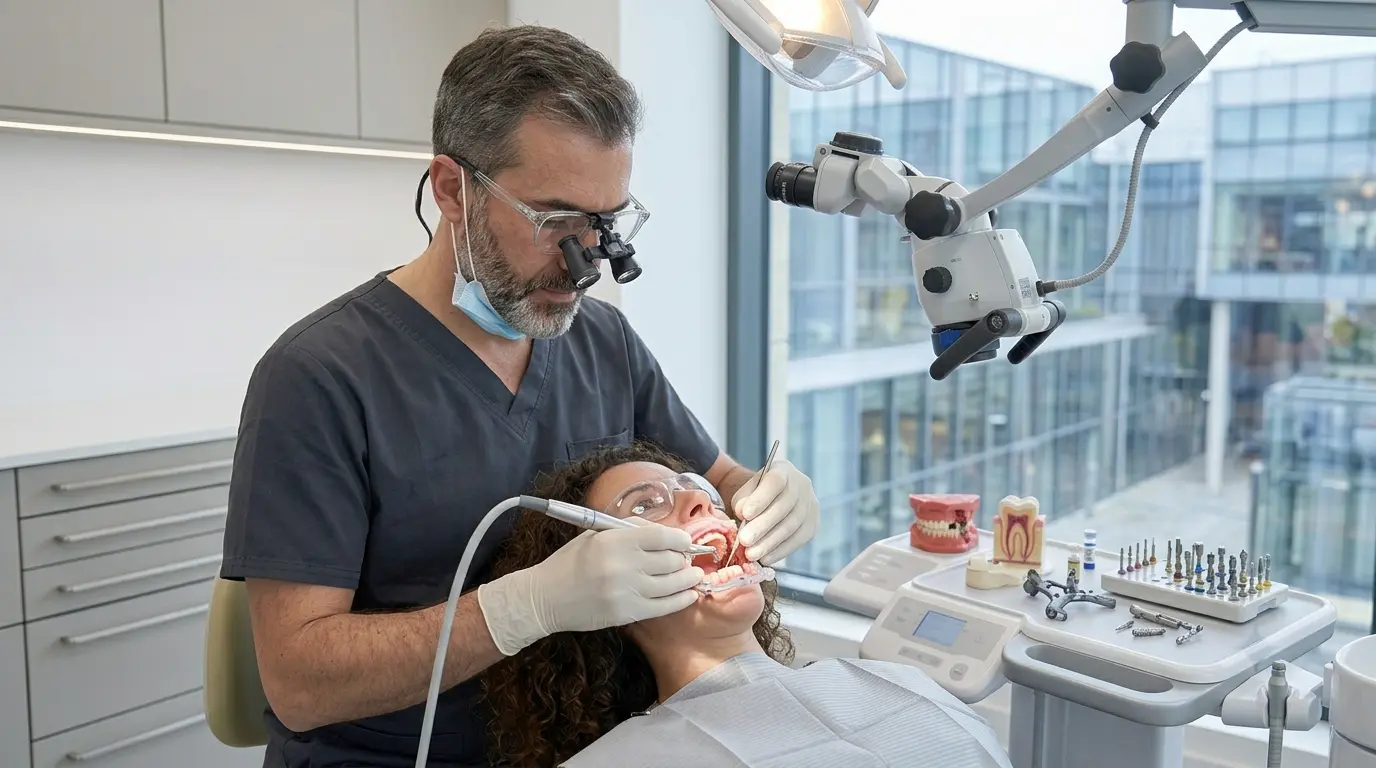
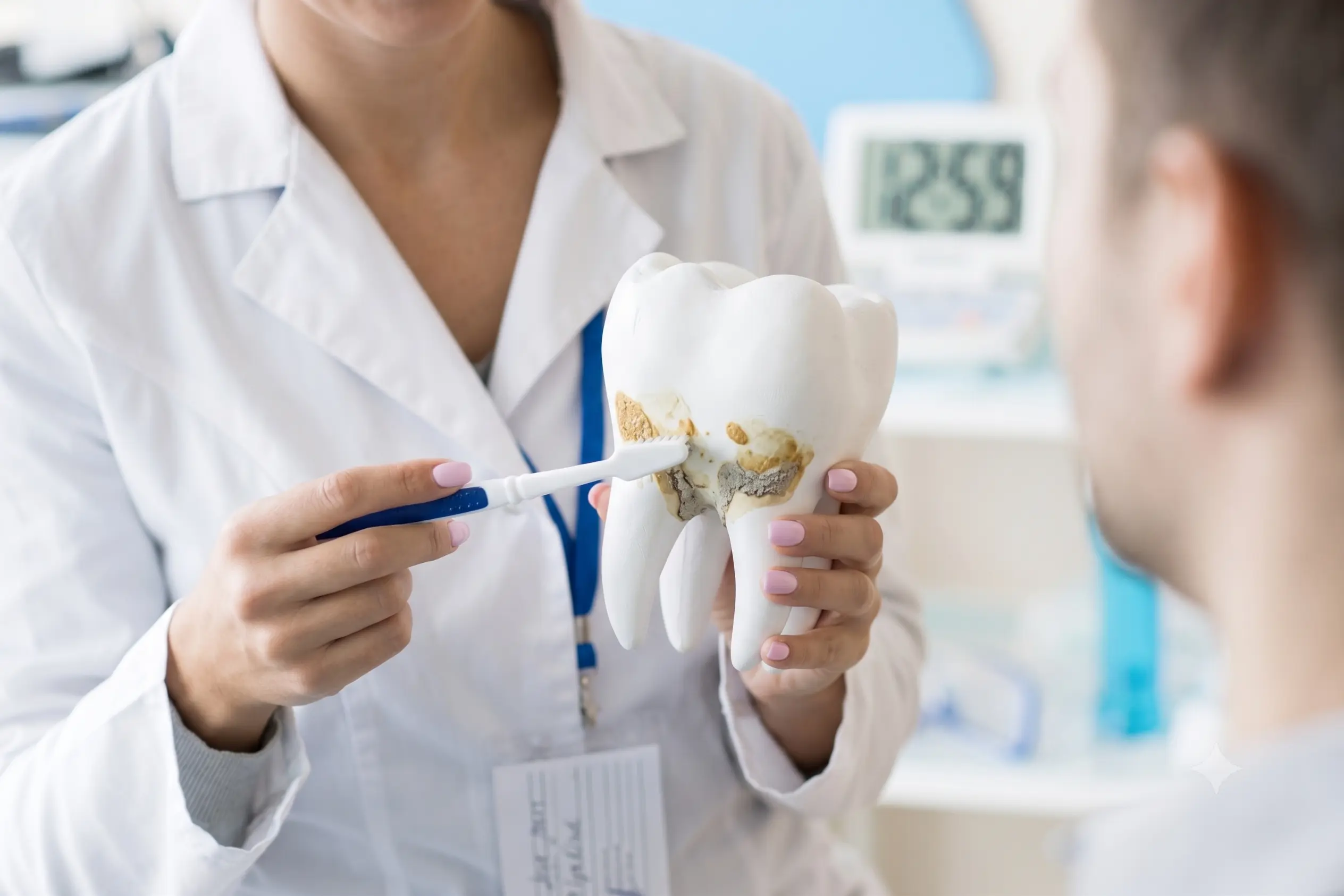
Tartar, a hard and mineralized deposit, becomes a breeding ground for bacteria once it forms. It can be removed through periodic prophylaxis twice a year or through deep root cleaning under local anesthesia.
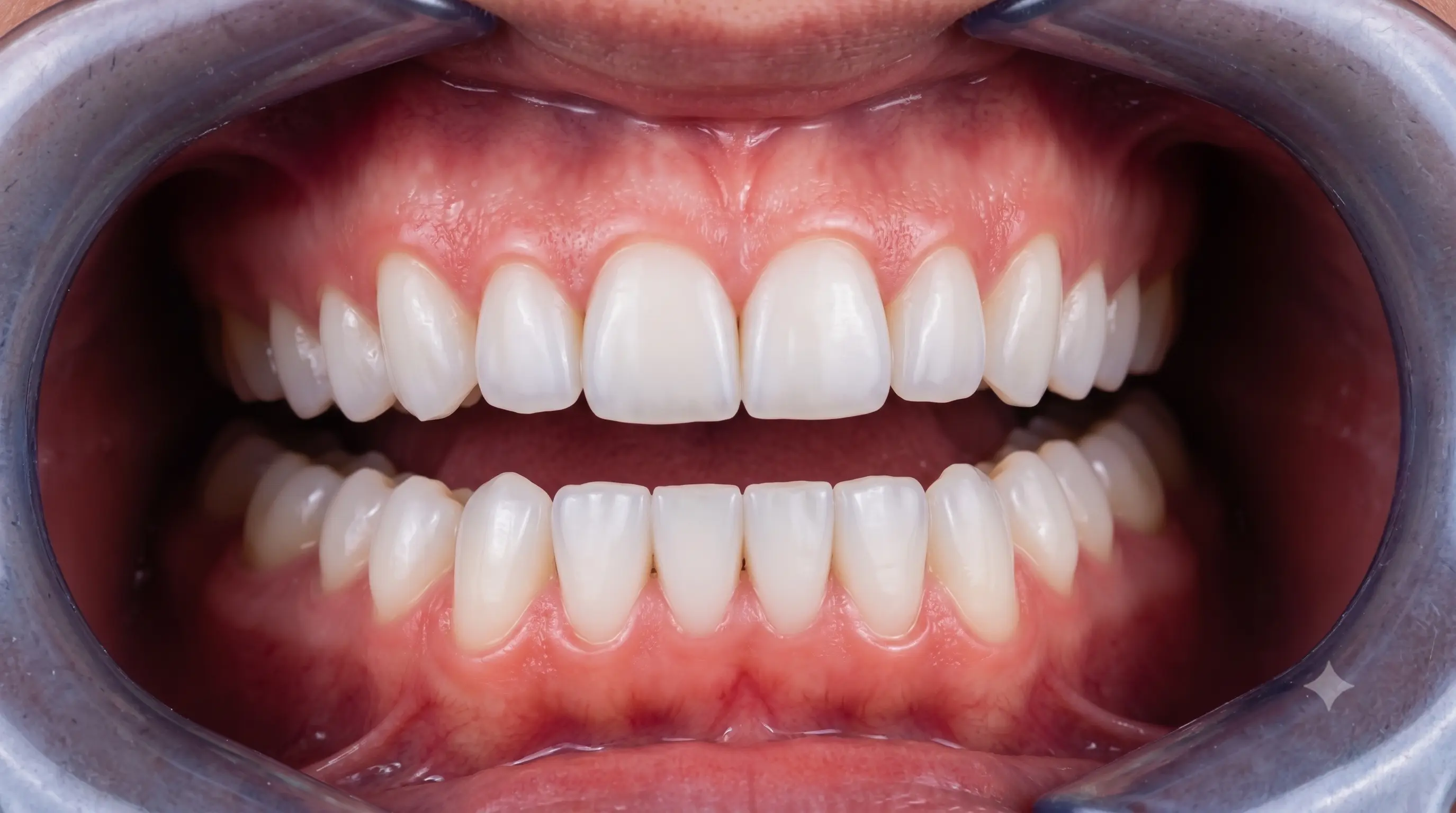
In the initial stage of periodontal disease, only the gums are affected. Patients can identify gingivitis by swollen, red gums and frequent bleeding during brushing or even spontaneous bleeding. The bone is not yet affected.
Local treatment for gingivitis involves professional prophylaxis (scaling, air polishing, professional brushing) combined with proper daily oral hygiene: using correct brushing techniques, flossing, using interdental brushes, using a water flosser, using mouthwash, etc.

When is it time to take action?
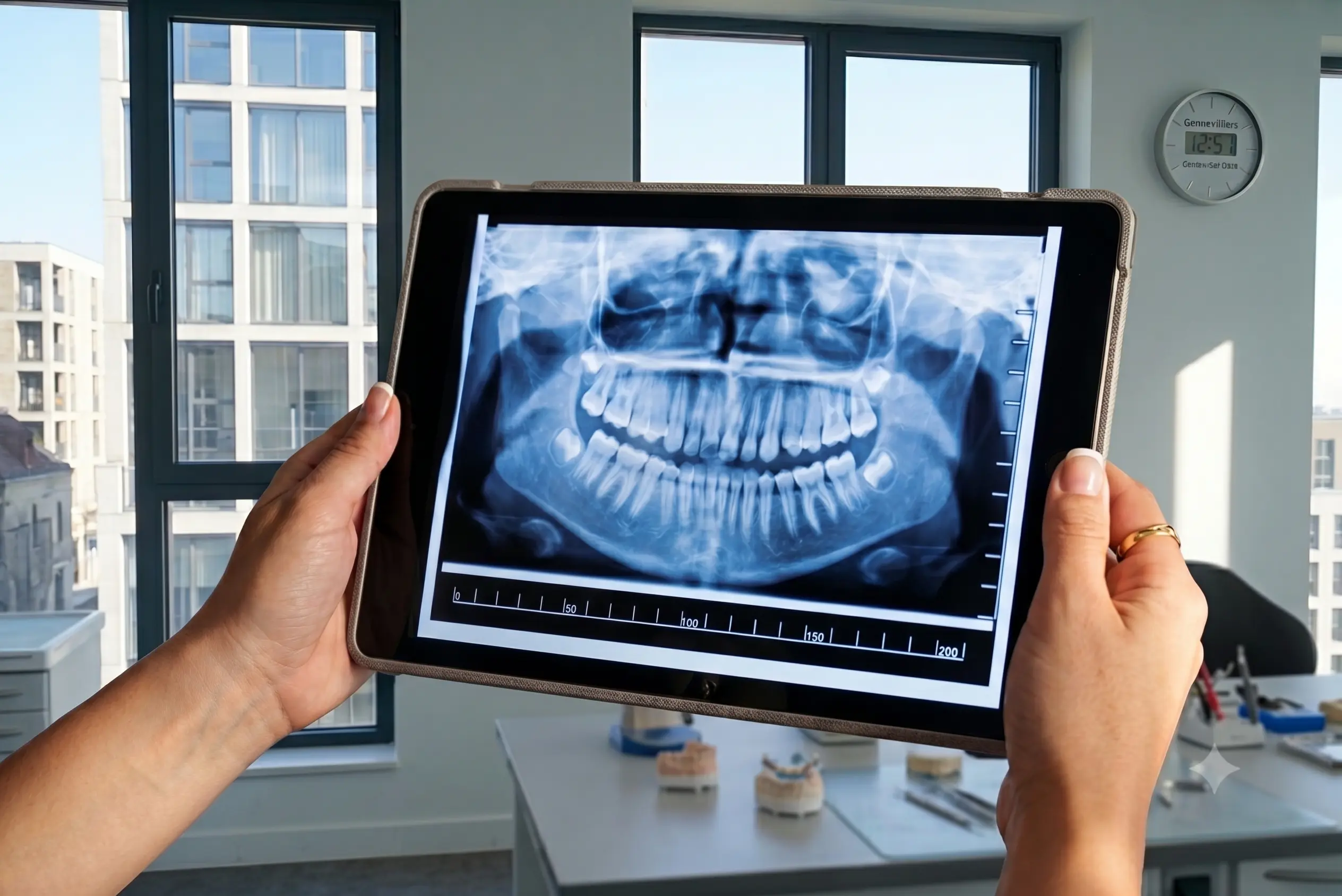
If gingivitis is not kept under control, plaque and its toxic byproducts overwhelm the local defense system and lead to the destruction of bone integrity.
Signs that may indicate a form of periodontal disease include:
• Bad breath
• Bleeding gums, either spontaneously or while brushing
• Swollen and red gums
• Tooth sensitivity
• Loose teeth
• Gum recession exposing tooth roots
What causes periodontal disease?
Local risk factors
• Bacterial plaque is the primary determinant of periodontal disease, forming when oral hygiene is poor. Bacterial plaque is a soft, sticky, yellowish-white deposit made up of microorganisms that release toxins, leading to tissue inflammation.
• Dental tartar – a hardened deposit adhering to the tooth surface, formed by the mineralization of bacterial plaque
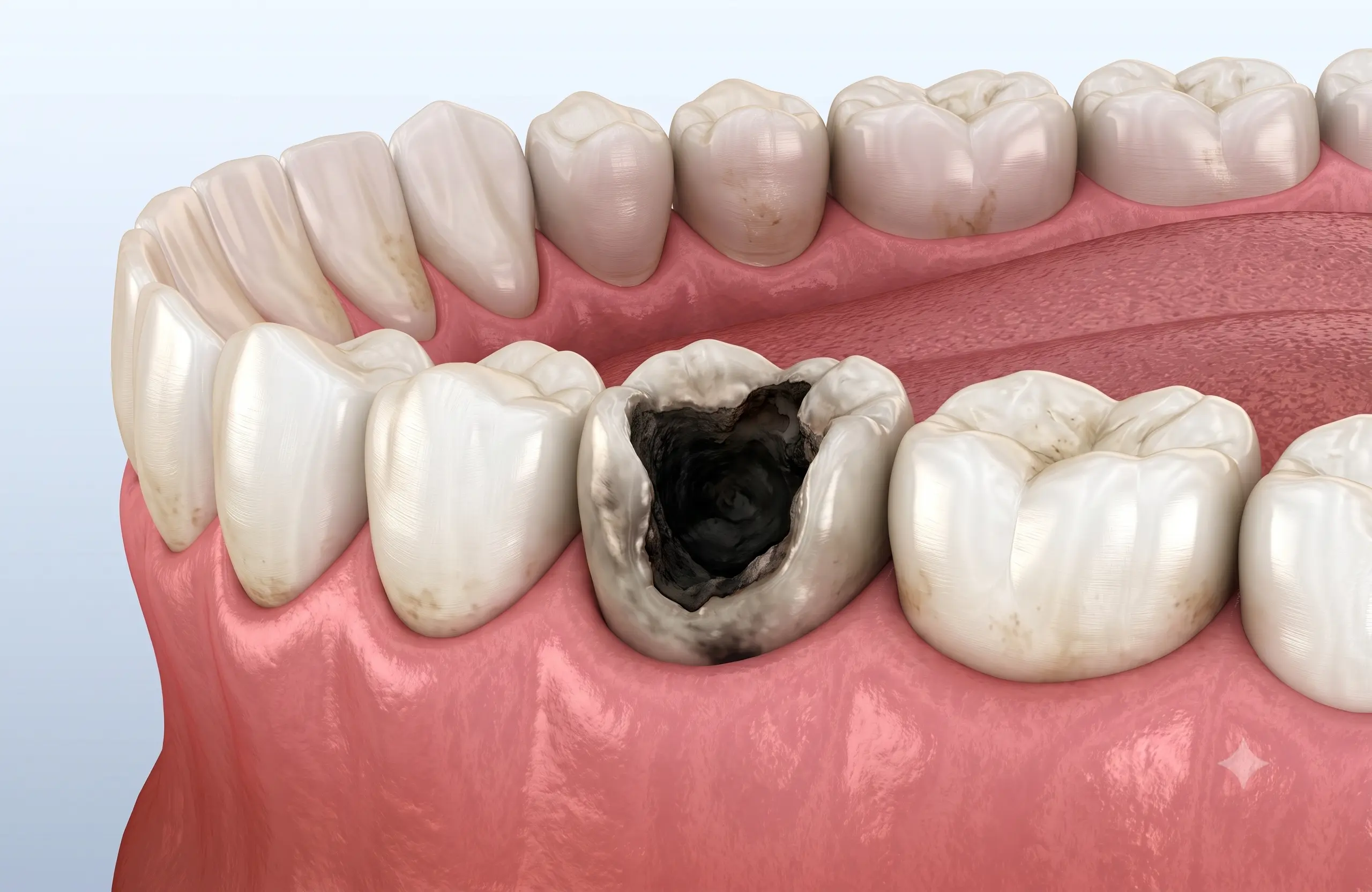
• Cavities
• Poorly fitted dental restorations
• Dental crowding
• Teeth grinding (bruxism)
• Vicious habits – smoking, alcohol consumption, drug use
• Medications used to treat cardiovascular diseases, neurological conditions, and malignant tumors
General risk factors
• Heredity (genetic predisposition)
• Stress
• Nutritional deficiencies (hypovitaminosis A, C, B, PP, D)
• Hematological and cardiovascular diseases
• Teeth grinding (bruxism)
• Endocrine disorders (thyroid, parathyroid, pituitary, diabetes, puberty, pregnancy, menopause)
• Immune deficiencies
Surgical treatment
Advanced forms of periodontal disease, involving significant loss of gum and bone tissue, require surgical treatment aimed at three main objectives:
• Elimination of periodontal pockets and their pathological contents
• Removal of hypertrophied gum tissue
• Tissue remodeling through grafting procedures and biomaterials
Surgical interventions include: subgingival curettage, flap surgery, and guided tissue regeneration.
Preventing periodontal disease
• Brushing your teeth correctly at least twice a day
• Using a toothpaste specially formulated for gum health
• Replacing your toothbrush every 2-3 months
• Regular use of mouthwash and dental floss
Want a perfect smile?
We can help