

How is the dental bridge treatment performed?
A dental bridge requires at least two visits. During these appointments, the abutment teeth are anesthetized and prepared by removing a portion of the enamel to allow for the crown to be placed. An impression is then taken and sent to a dental laboratory.
In some cases, a temporary bridge will be made to be worn until the dental bridge is cemented.
Afterward, the permanent bridge will be adjusted and cemented. Your dentist will provide you with care instructions at the end of the procedure. For the restoration to be long-lasting, proper brushing, flossing, and regular dental visits are also important.
These dental bridges can be used for a very long time, and their durability will not disappoint.
Situations when dental crowns are recommended:
A dental crown is a structure that covers the entire surface of a tooth, restoring both its original shape and size. There are specific cases where these crowns are recommended, namely:
• Fractured teeth
• Aesthetic reasons
• Decayed teeth
• Endodontically treated teeth
• Teeth with large fillings

Our list of prosthetic treatments
Our Art Dental Studio practice provides the following prosthetic treatments:
- Ceramic or composite veneers
- Implant-supported crowns/bridges;
- Skeletal dentures with special attachments
- Metal-ceramic or all-ceramic crowns and bridges
- Implant-supported dentures
- Acrylic and flexible dentures, complete and partial
The benefits of dental prosthetics
Time-saving
It is a fast treatment method that does not require many appointments.
No surgery required
This treatment does not require any surgery.
No contraindications
These can be used even when dental implants are not an option.
Save money
Dental prosthetics is a more affordable treatment method.
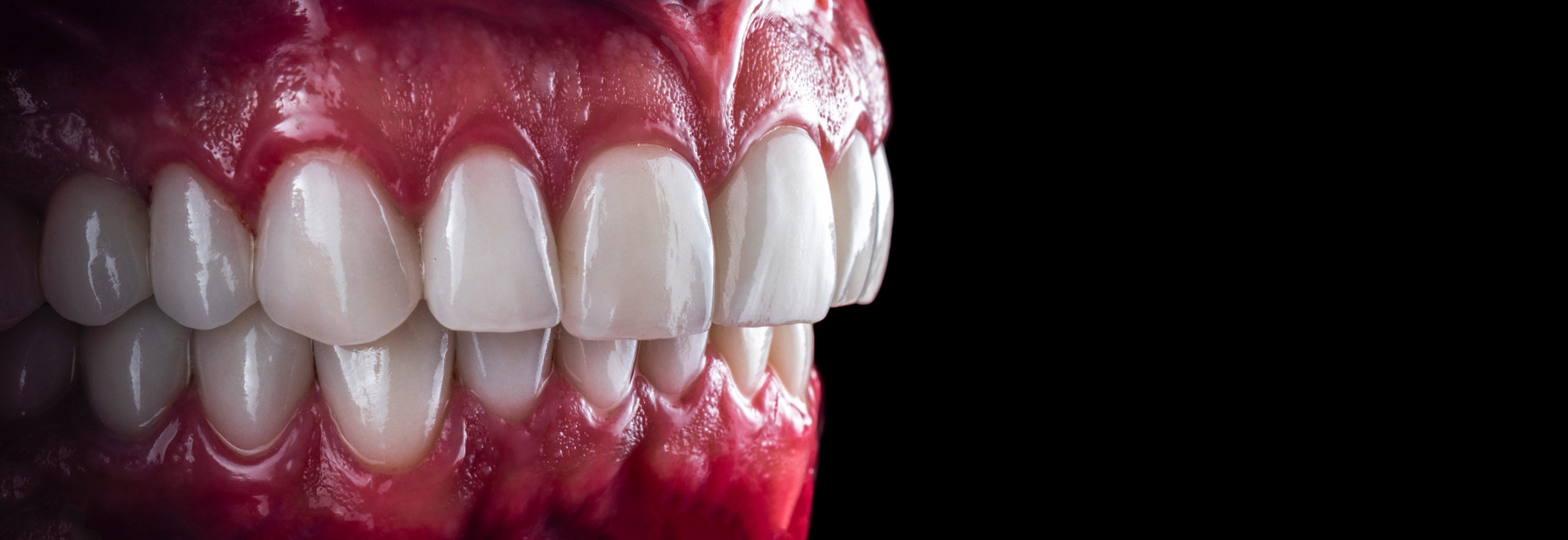
Do you have questions about dental prosthetics?
What is a dental bridge?

A dental bridge is a fixed structure, ideal for replacing missing teeth, and there are several types of dental bridges available.
What is the maximum number of teeth that can be replaced with a dental bridge?
The span that can be replaced by a dental bridge cannot exceed 4 teeth.
When are dental bridges indicated?
This treatment method is recommended when there are contraindications for dental implants.
How much do dental bridges cost and what factors influence the price?
Bridge prices are affordable and depend on the material used, the number of teeth being replaced, and whether they are supported by natural teeth or implants.
Types of Dental Prosthetics
Dental Bridges
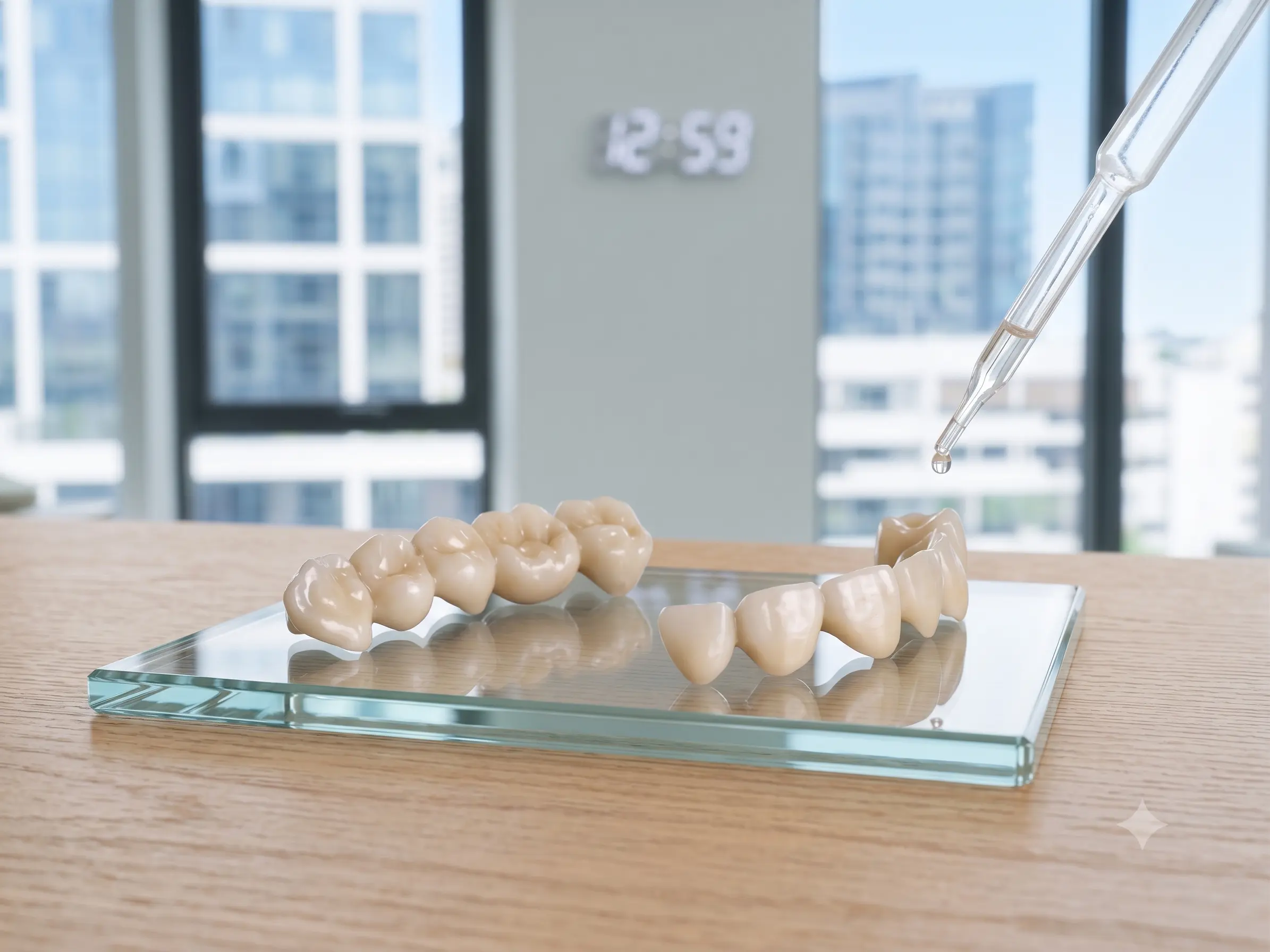
A dental bridge is a fixed structure and an excellent way to replace missing teeth. There are several types of dental bridges. You and your dentist will discuss the best options for your specific case.
The "traditional" bridge is the most popular type and is usually made of metal and ceramic (porcelain applied over a metal support). This type of bridge consists of two crowns that cover two anchor teeth (abutment teeth) to which the bridge (artificial teeth) is attached; the empty space (gap) can be one or more teeth.
Situations where dental bridges are indicated and requested:
• Filling a dental gap (the space left after tooth extractions)
• Maintaining facial shape
• Preventing adjacent teeth from tilting into the gap (empty space)
• Restoring chewing and speech function
• Restoring your smile
What does a dental bridge involve?
A dental bridge usually requires two or more visits. While the abutment teeth are anesthetized, they are prepared by removing a portion of the enamel to allow for a crown. Next, a very precise impression is taken and sent to a dental laboratory. In addition, a temporary bridge will be made in the office to be worn for several weeks until your next appointment.
At the follow-up visit, the permanent bridge will be carefully checked, adjusted, and cemented. Occasionally, the dentist may cement the bridge only temporarily to allow the teeth and tissues to get used to the new restoration. The prosthetic work will be permanently cemented at a subsequent appointment. You will receive care instructions at the end of the procedure. Proper brushing, flossing, and regular dental visits will extend the durability of your new prosthetic work. Dental bridges are very durable, but even they may eventually need replacement or re-cementing due to wear.
Dental Crowns
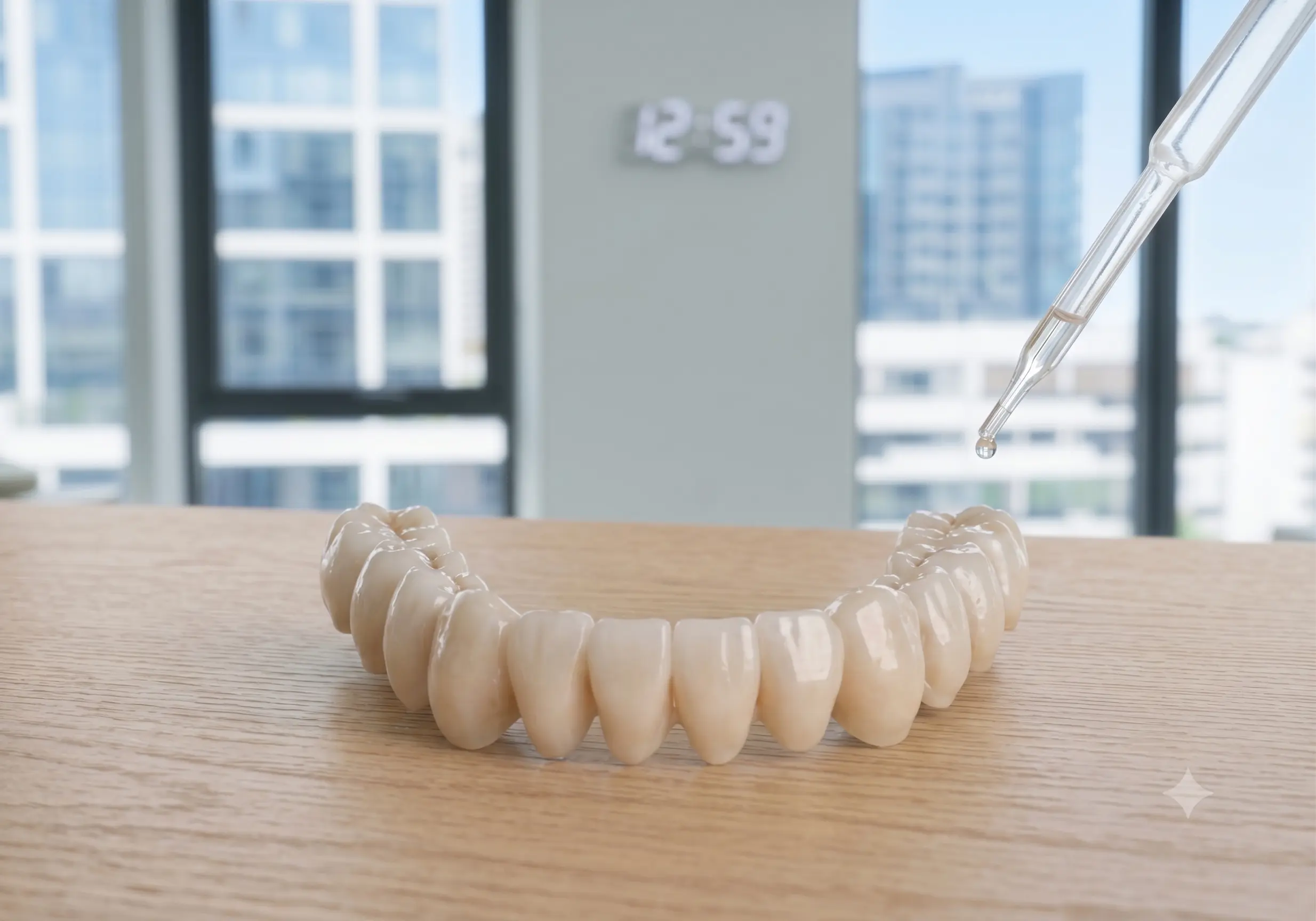
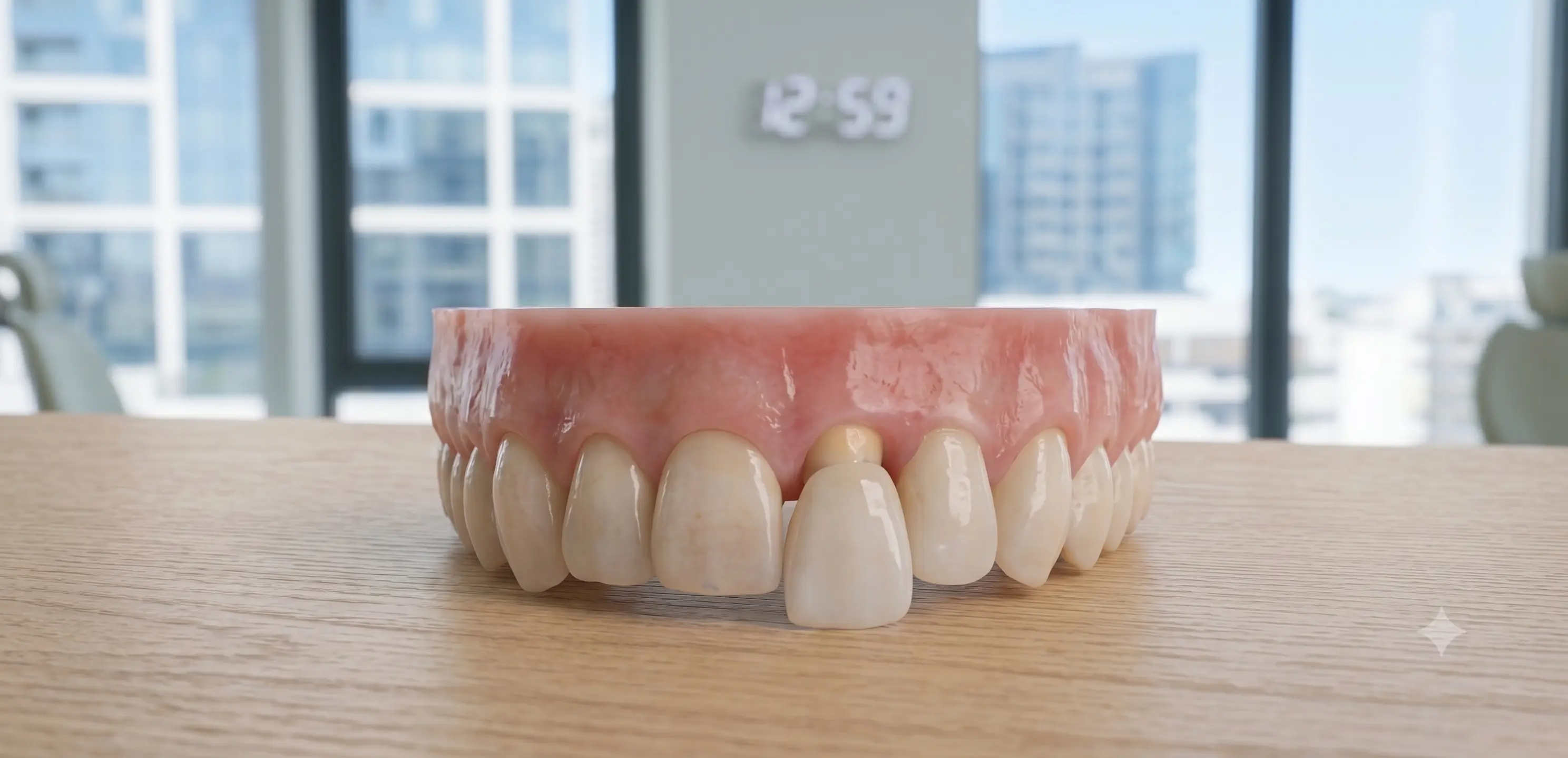
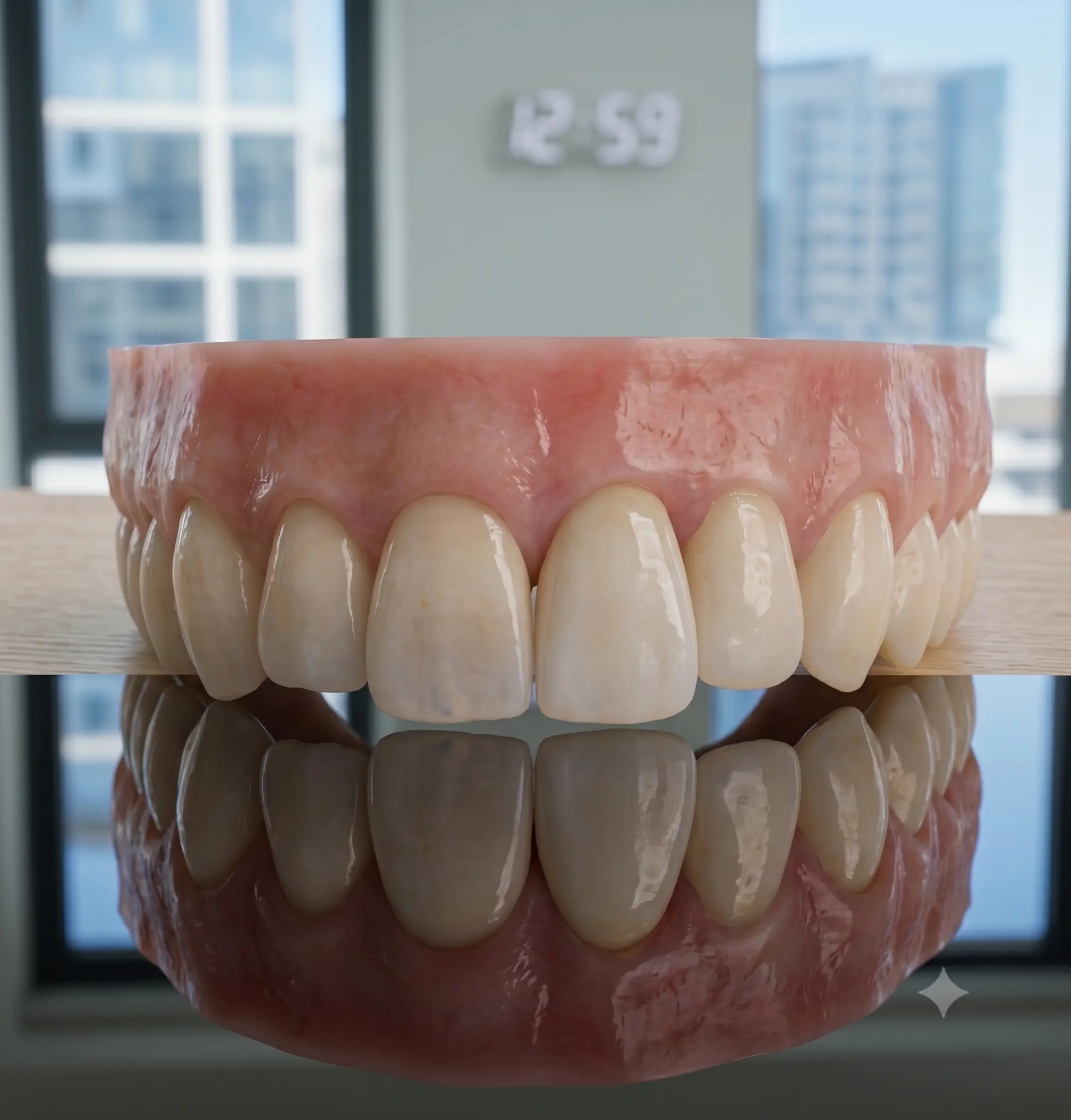
A dental crown is a restoration that covers the entire surface of a tooth, restoring both its original shape and size. A crown protects and strengthens the tooth structure that cannot be restored with fillings or other types of restorations.
Although there are several types of crowns, metal-ceramic crowns (tooth-colored) are the most popular. They are extremely durable, but like most dental restorations, they may eventually need to be replaced. Porcelain crowns are made to match the shape, size, and color of your teeth, giving you a natural, beautiful, and long-lasting smile.
Situations where dental crowns are indicated:
• Fractured teeth
• Aesthetic reasons
• Decayed teeth
• Endodontically treated teeth
• Teeth with large fillings
What does a dental crown involve?
A dental crown usually requires 3-4 appointments. The first appointment will include taking several impressions (molds) that will be used to create the custom crown. A mold will also be used to create a temporary crown. This temporary crown will remain on the prepared tooth for about two weeks until your new crown is fabricated by a dental laboratory. While the tooth is anesthetized (numbed), the dentist will prepare it by removing any decay and shaping the surfaces so the future crown fits properly. Once these details are finalized, the temporary crown will be placed with temporary cement, and your bite will be checked to ensure it is correct. At the next appointment, the temporary crown will be removed, the tooth will be cleaned, and your new crown will be carefully placed to ensure the spacing and bite are correct. You will receive care instructions and guidance for regular check-ups at the office.
Types of crowns:
• Metal-ceramic
• All-ceramic
• Zirconia
Dentures/Skeletal Dentures
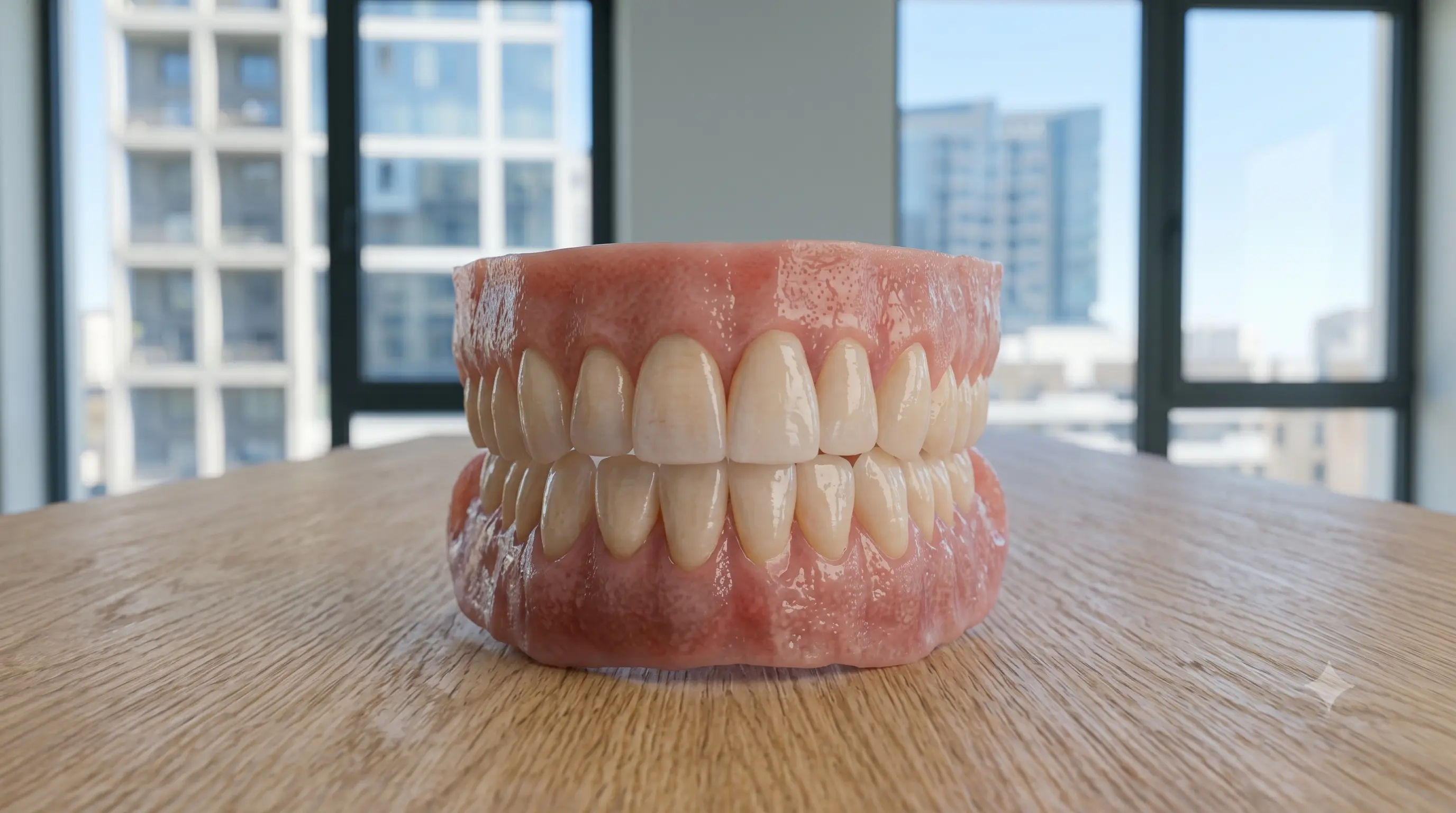
Dental dentures are prosthetic restorations designed to replace missing teeth in the dental arches. Dentures can be partial (replacing a limited number of teeth and anchored to adjacent teeth via special means) or complete (replacing all teeth when the dental arches are fully edentulous—lacking teeth). Dentures are made of acrylic or fully aesthetic materials.
About Skeletal Dentures
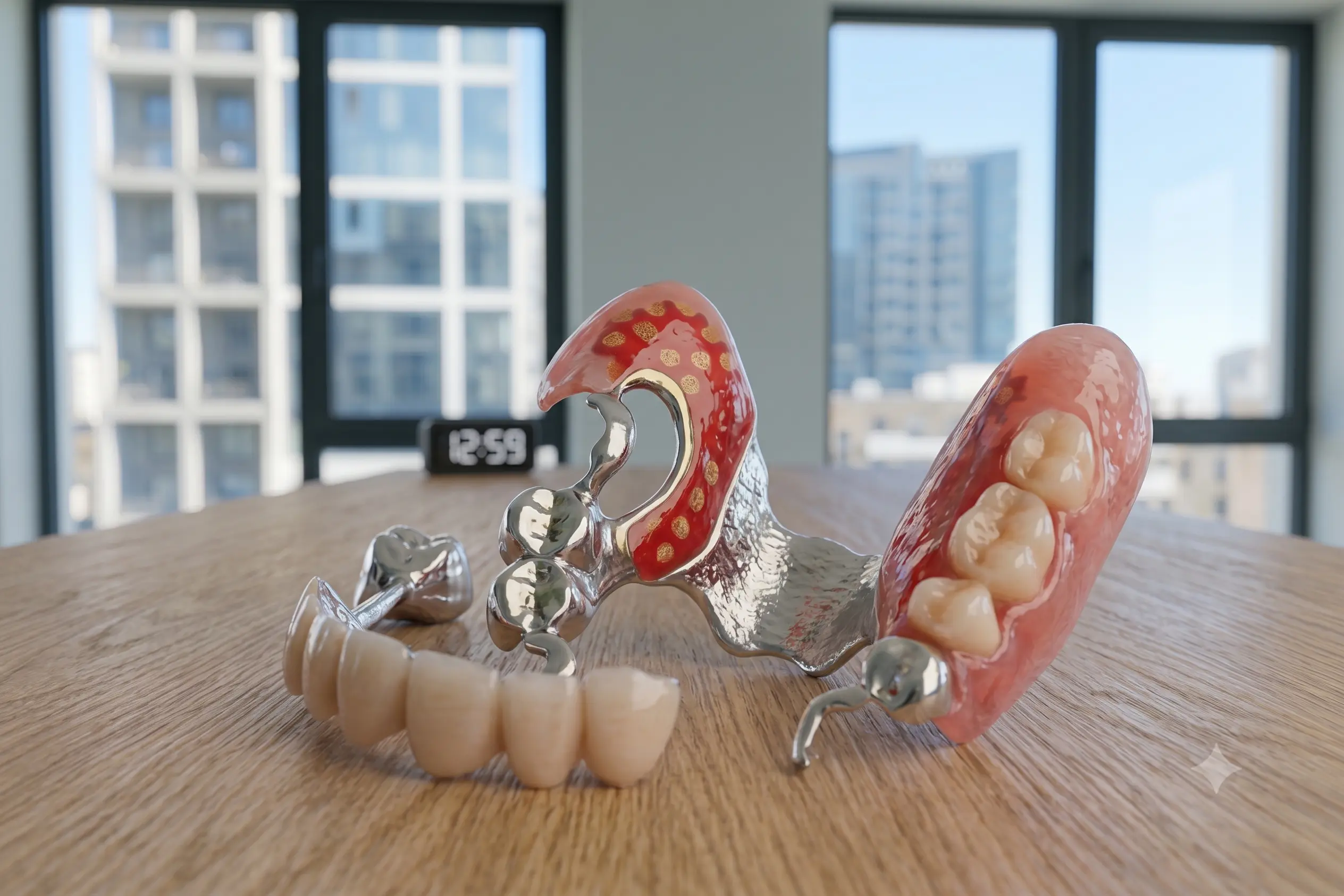
Dentures are divided into two main categories: complete dentures and partial dentures. A skeletal denture is a type of removable partial denture recommended for patients who still have a few healthy natural teeth. It consists of a chrome-cobalt metal framework encased in an acrylic material where the artificial teeth are positioned.
Skeletal dentures are an effective and modern alternative for patients who have contraindications for dental implants due to systemic conditions, such as diabetes or cardiovascular disease, or due to oral health issues, such as poor oral hygiene, lack of bone support for an implant, or anatomical factors that make implant placement unsuitable.
Dental work involving skeletal dentures is highly complex and requires great precision, as it involves two basic components: a fixed part (a dental bridge applied to the remaining teeth) and a removable part (a thin metal framework that connects the edentulous areas while bypassing the remaining teeth). Special attachments (telescopic crowns, precision attachments, clasps, articulated systems, or magnetic systems) are mounted on the teeth at the ends of the bridge, through which the skeletal denture is secured. This provides an aesthetically pleasing appearance and added comfort for the patient. Another advantage of this type of dental work is its lower cost compared to dental implants.
Furthermore, the treatment time for a skeletal denture is only 3-4 weeks, unlike dental implants, which take about 6 months. If a problem arises, the entire skeletal denture is not compromised, as only the affected tooth can be replaced.
Due to the metal alloy support, the denture is very durable. The special systems used to attach the denture to the patient's natural teeth are completely invisible to the untrained eye. Although they are removable and must be taken out for proper cleaning, skeletal dentures are very stable during use. Cleaning a skeletal denture is quite easy, as it can be removed from the mouth and brushed just like natural teeth. Because it is anchored to the remaining teeth, the skeletal denture is extremely stable and secure, even during chewing and speaking.
Art Dental Studio Reviews
We take pride in a community of people who have regained their dental health and confidence in their smiles.
.svg)
"Because I had contraindications for dental implants, I had to opt for a skeletal denture. I've had it for over a year now and I have no complaints; I confidently recommend Art Dental Studio."
Avram Ionescu
Satisfied patient
"Following a check-up, I was advised to get a dental bridge for my back teeth on the right side. This method solved my issues with proper tooth function. They feel just like my natural teeth."
Lavinia Stanciu
Satisfied patient
Following a minor accident, I lost a tooth, but the team at Art Dental Studio took care of my problem and I opted for a dental crown. I am completely satisfied with the result.
Teodora Epure
Satisfied patient
Want a perfect smile?
We can help