

Short description
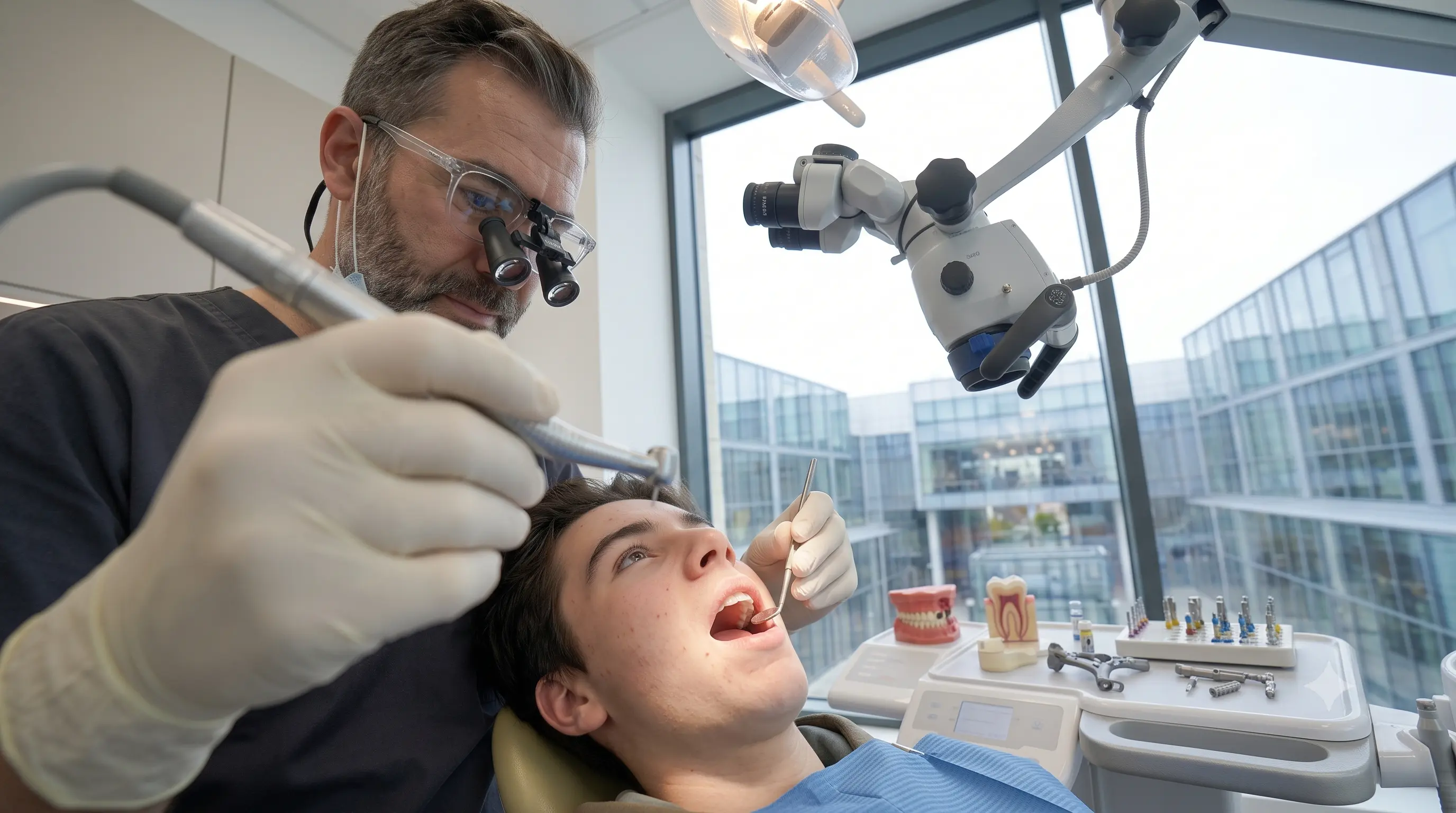
Pediatric dentistry is the branch of dentistry that deals with the treatment of baby teeth.
Fluoride is the most effective agent available to help prevent tooth decay.
Fluoride works in two ways: topical fluoride strengthens teeth once they have erupted by acting on the outer surface of the tooth enamel, making teeth more resistant to decay.
Topical fluoride is obtained by using products that contain fluoride, such as toothpaste, mouthwash, and gels. Dentists generally recommend a professional application for children twice a year during routine check-ups.
Systemic fluoride strengthens teeth that have erupted, as well as those still developing under the gums. Systemic fluoride is obtained from food. Tablets are most suitable for children from 6 months old through adolescence.
It is very important to monitor the amount of fluoride a child swallows; if too much fluoride is ingested, developing teeth can be affected, leading to a condition called fluorosis (white spots on the teeth).
Fluoride alone will not prevent cavities
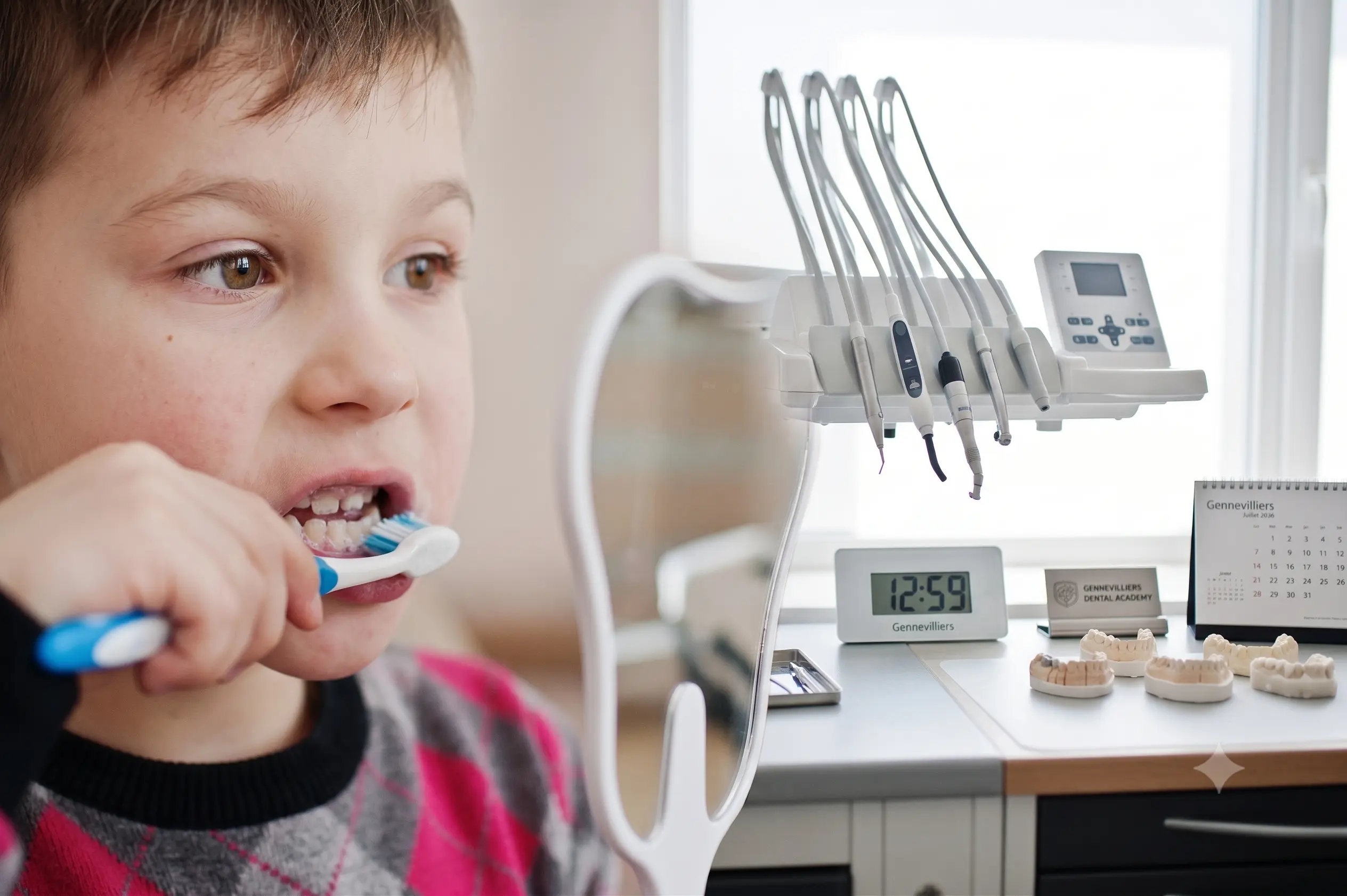
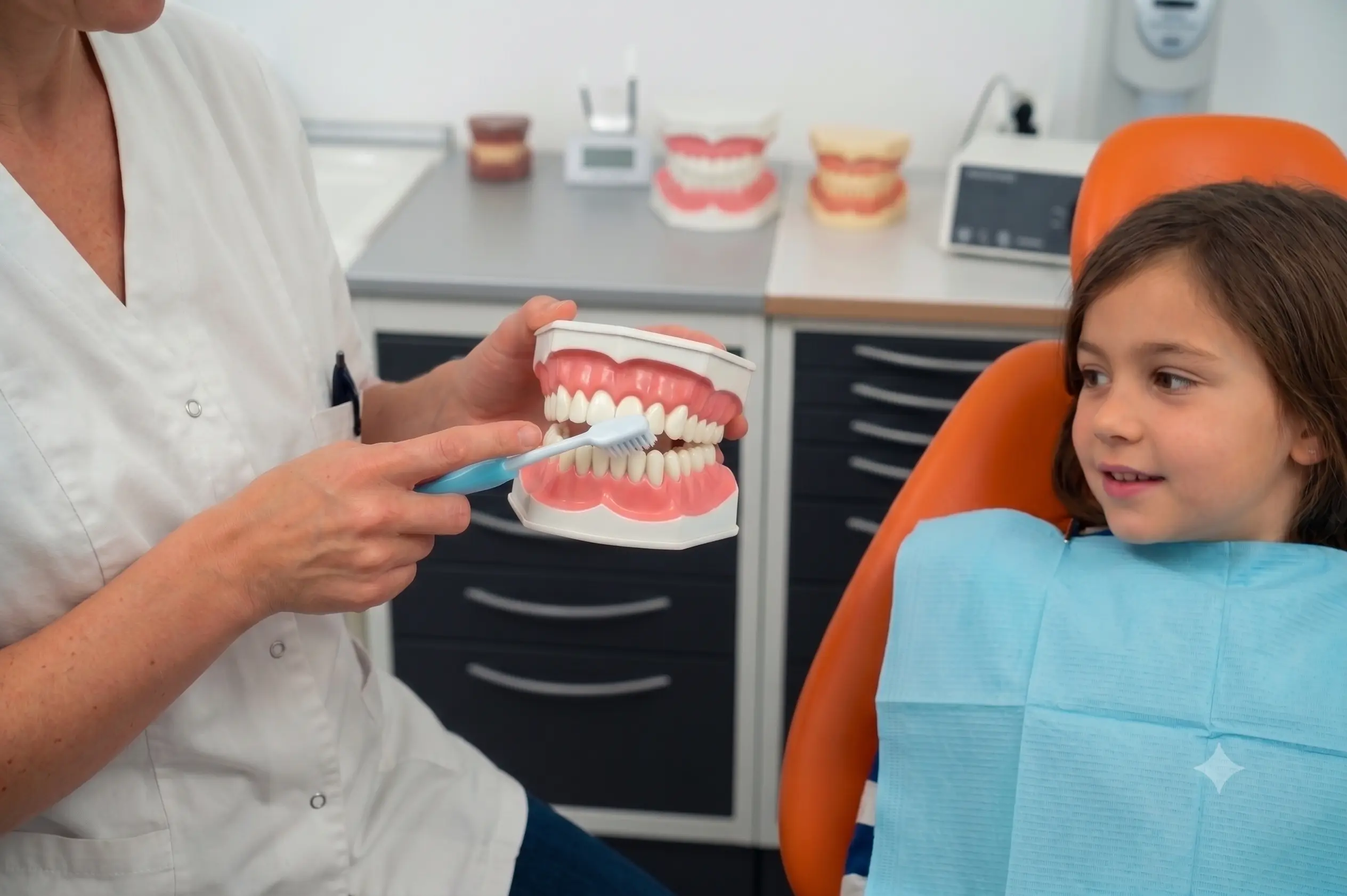
It is important to brush your teeth at least twice a day, floss regularly, eat balanced meals, reduce sugary snacks, and visit the dentist regularly.
A sealant is a thin coating applied to the chewing surfaces of molars, premolars, and the deep grooves (called pits and fissures) of the teeth. More than 75% of dental cavities begin in these grooves. Teeth with these conditions are difficult to clean and are highly susceptible to decay.
A sealant protects the tooth by sealing deep grooves, creating a smooth surface that is easier to clean. Dental sealants can protect teeth from cavities for many years, but they should be checked during regular dental check-ups.
A beautiful, healthy smile that lasts a lifetime is our ultimate goal when treating patients. Personal home care plays an important role in achieving this goal.
You should brush your teeth at least twice a day (especially before going to bed at night).
Want a perfect smile?
We can help