How long does teeth whitening actually last

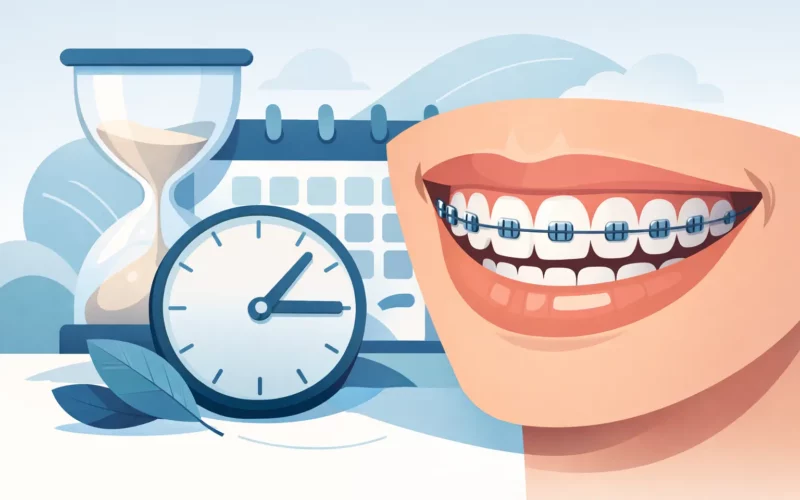
A whiter smile looks great immediately after treatment, but the question we hear most often is simple: how long does teeth whitening last? The correct answer isn't a fixed number for everyone. In practice, the longevity of the results depends on the type of whitening, your daily habits, and the initial condition of your teeth.
For some patients, the effect lasts a few months. For others, it can remain visible for 1 to 3 years, especially if they follow the doctor's recommendations and avoid factors that stain the enamel. That is why, when we discuss teeth whitening, it is most useful to talk realistically about results, maintenance, and limitations.
How long teeth whitening actually lasts
In general, professional whitening performed in the clinic yields faster and usually more stable results than products used at home without supervision. However, even the best treatment does not offer a permanent effect. Teeth are exposed daily to coffee, tea, red wine, tobacco, and highly pigmented foods, and the shade can change gradually.
As a guideline, professional whitening can last on average between 6 months and 2 years. For patients who have excellent oral hygiene, get regular cleanings, and have few staining habits, the effect can last even longer. For those who smoke or frequently consume colored beverages, the shade change may occur sooner.
It is also important to understand that whitening does not stop the natural process of tooth discoloration. It improves the existing shade, but maintaining the result requires consistency.
What influences how long teeth whitening lasts
The duration of the result depends not only on the procedure but also on each patient's context. The first factor is the type of tooth stains. Extrinsic stains, caused by food, drinks, or smoking, usually respond better to treatment than intrinsic discolorations, which arise from trauma, root canal treatments, or certain medications.
The second factor is the quality of the enamel and the general state of the oral cavity. Teeth with deposits, tartar, or plaque will not have a uniform result, which is why a professional cleaningis recommended before whitening. If there are cavities, cracks, or tooth sensitivity, these must be evaluated and treated beforehand.
Lifestyle also matters a lot. Morning coffee, black tea, highly colored juices, and smoking shorten the duration of the effect. It doesn't mean they must be eliminated completely forever, but their frequency directly influences how quickly stains return.
Another aspect is the age of the tooth and the initial shade. Naturally yellower teeth or those that have accumulated stains over many years may require more careful maintenance. Sometimes a clear improvement is achieved, but not an artificial white. Here, realistic expectations make the difference between a satisfied patient and a disappointed one.
In-clinic whitening versus at-home products
Patients frequently ask if strips, toothpastes, or kits bought without a consultation offer the same result. In most cases, they do not. Over-the-counter products may have a subtle effect, but it is usually more limited and less predictable.
Professional whitening has the advantage of medical supervision. It is determined whether the patient is a suitable candidate, gums are protected, the teeth's reaction is monitored, and the appropriate method is chosen. The result is usually more uniform and more visible.
Over-the-counter products may seem more accessible, but they don't always solve the problem correctly. If stains are deep or if there is visible dental work, color differences can become even more apparent. Crowns, veneers, and fillings do not whiten like natural enamel, and this detail is essential to your aesthetic plan.
What you need to know about the first few days after treatment
The first 48-72 hours are decisive for the stability of your results. During this time, teeth are more susceptible to staining, so it is standard practice to avoid foods and drinks with strong pigments. Coffee, red wine, beets, berries, dark sauces, and tobacco can quickly compromise the effect achieved.
Many patients also notice temporary sensitivity. This is common and usually passes quickly, especially when the treatment is performed correctly and the patient follows the instructions provided. This is precisely why whitening should not be treated as a random cosmetic procedure, but as an aesthetic treatment that requires evaluation and monitoring.
How to maintain your results longer
If you want your whitening results to last, maintenance is just as important as the procedure itself. Proper brushing twice a day, using interdental cleaning tools, and regular check-ups reduce the buildup that changes the shade of your teeth.
A few simple habits also help. If you drink coffee or tea, rinse your mouth with water afterward. If you have consumed intensely colored foods, don't let the pigments sit on the surface of your teeth for too long. Smoking remains one of the most aggressive factors for tooth color and overall oral health.
Regular professional cleanings also play an important role. Sometimes a patient thinks the whitening has worn off completely, when in fact the teeth have simply accumulated superficial stains again. A professional cleaning can visibly restore the freshness of your smile without needing to repeat the whitening process immediately.
In certain cases, your dentist may recommend maintenance sessions at individually determined intervals. These are not done automatically for everyone, but are based on your initial results, lifestyle, and dental sensitivity.
When whitening is not the best solution
Not every color issue is best solved by whitening. If there are severe internal stains, old dental work in the front area, or large shade differences between teeth and restorations, the treatment needs to be planned more comprehensively. In such situations, other aesthetic dental solutions, such as replacing existing work or dental veneers, are sometimes more appropriate.
Also, whitening is not recommended before treating cavities, gum inflammation, or other active oral health issues. Dental health always remains the priority. Aesthetics yield good, stable results only when the foundation is sound.
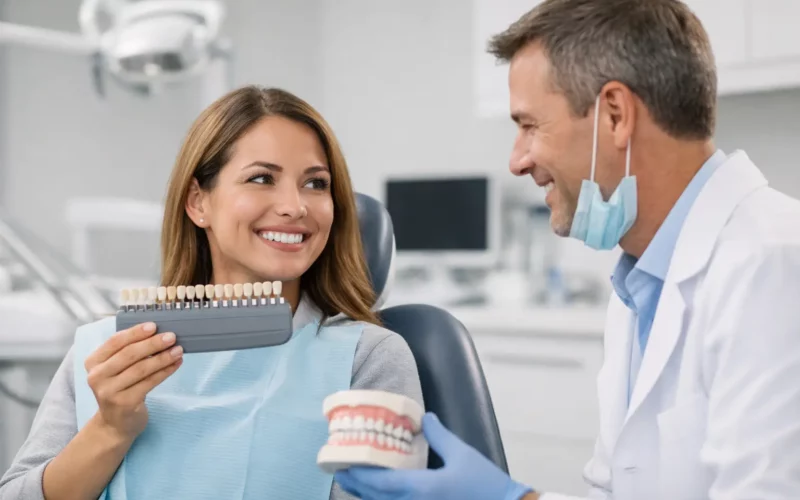
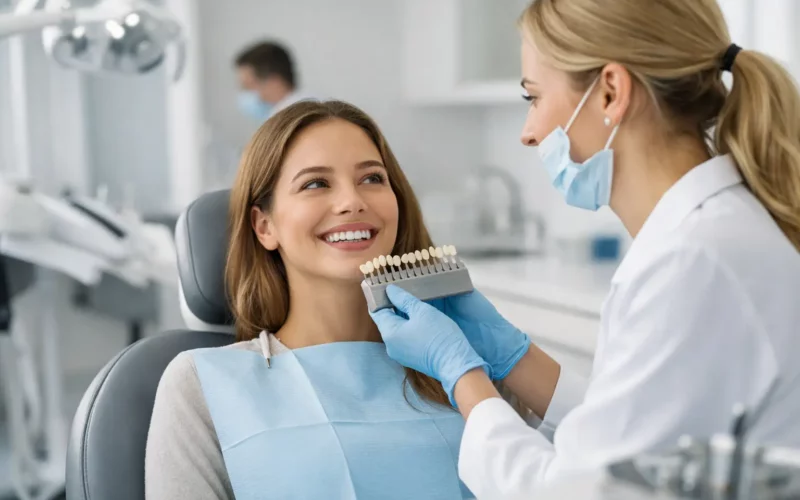
This is one of the reasons why a consultation before treatment makes all the difference. The patient learns not only if whitening is possible, but also what result is realistic and how long it can last in their specific case.
The right question isn't just how long it lasts, but whether it's right for you
Many patients look for a quick answer to how long teeth whitening lasts, but the right decision isn't based on duration alone. What matters more is whether the treatment is suitable for your specific type of teeth, whether the desired shade is realistic, and whether you are willing to follow the maintenance recommendations.
A beautiful result doesn't necessarily mean the whitest smile possible, but rather a bright, natural smile that is in harmony with your facial features. In modern cosmetic dentistry , success is measured not just in shades, but also in naturalness, comfort, and safety.
At a modern clinic, the evaluation includes more than just tooth color. It analyzes enamel, existing restorations, sensitivity, dietary habits, and the patient's aesthetic goals. This is how we can honestly determine what results can be achieved and how well they can be maintained.
For patients in Satu Mare who want a visible yet well-planned change, a consultation is the most useful first step. At Art Dental Studio, our recommendations are always personalized so that your aesthetic treatment is not only spectacular immediately, but also suitable for the long term.
If you are considering teeth whitening, view it as an investment in your smile, but also as a treatment that requires maintenance. When done correctly and at the right time, the difference is clear, and your smile remains pleasant long after you leave the clinic. Book an appointment and find out what results you can achieve.