How to keep your smile perfect for longer

A beautiful smile is immediately noticeable, but what you don't see at first is the work behind it. If you're wondering how to maintain a perfect smile, the answer isn't a single treatment or a quick routine, but a combination of proper hygiene, regular check-ups, and smart choices made in time. White teeth aren't enough if there are hidden cavities, gum inflammation, or dental work that is no longer functioning correctly.
For many patients, the idea of a perfect smile means aesthetics. In reality, the foundation is oral health. A harmonious smile looks good precisely because the teeth, gums, and bite work together correctly. That is why maintenance matters just as much as the initial treatment.
What it actually means to maintain a perfect smile
A perfect smile doesn't look the same for everyone. For one patient, it might mean straight, uniform teeth. For another, it might mean being able to smile again without hiding their mouth. Dental aesthetics are not separate from functionality, and stable results appear when both are treated correctly.
This means it is not enough to have a successful whitening or beautiful veneers. If you have habits that wear down enamel, if you postpone professional cleaning, or if there are bite issues, the appearance of your smile can change faster than you expect. Sometimes, small details ignored for months end up affecting both aesthetics and comfort.
How to maintain a perfect smile at home
The first level of maintenance starts at home and is more important than it seems. Brushing twice a day remains essential, but technique makes the difference. A rushed brushing, done only on the visible surface of the teeth, leaves plaque in hard-to-reach areas and promotes the appearance of tartar, cavities, and gingivitis.
The toothbrush must be chosen correctly, and the pressure applied must be gentle. Many patients believe that vigorous brushing cleans better, but in reality, it can lead to gum recession and tooth sensitivity. Toothpaste also matters, especially when there is sensitivity, prosthetic work, or aesthetic treatments that require suitable products.
Equally important is cleaning between the teeth. Dental floss or a water flosser are not optional for those who want long-term results. Food debris and plaque frequently remain in interdental spaces, and these areas are among the first where problems appear. A smile may look impeccable in the mirror, but if there is inflammation or incipient decay between the teeth, the perfect look will not last.
Mouthwash can complement your routine, but it does not replace brushing and interdental cleaning. It helps, especially in certain situations recommended by your dentist, but the foundation remains mechanical hygiene performed correctly and consistently.
The role of regular check-ups
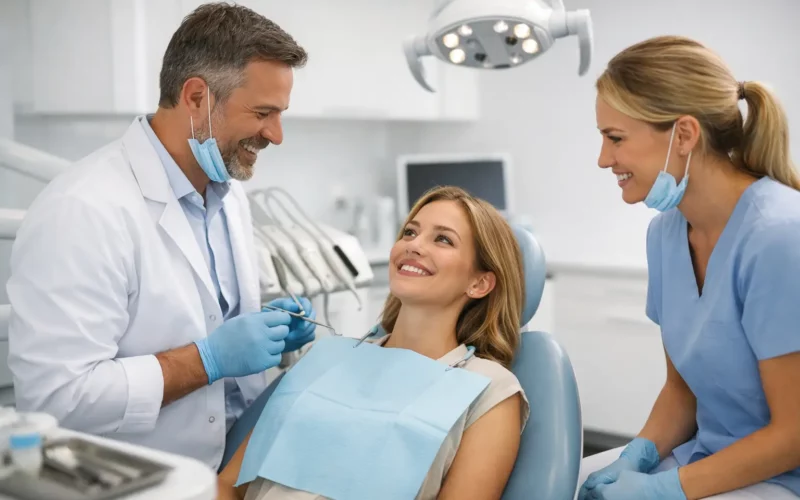
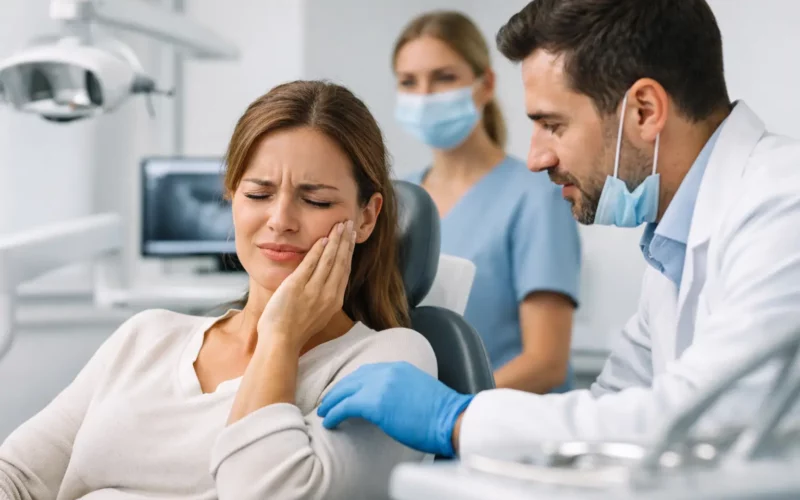
One of the biggest mistakes is going to the dentist only when pain appears. By that point, the problem is already advanced. If you want to know how to maintain a perfect smile in the long run, regular check-ups are mandatory. They allow for the identification of small problems before they become more complex, expensive, and lengthy treatments.
Typically, a check-up every 6 months is a good choice for most patients. However, the frequency can vary. If you have dental implants, veneers, crowns, braces, or a history of gum disease, your dentist may recommend closer monitoring.
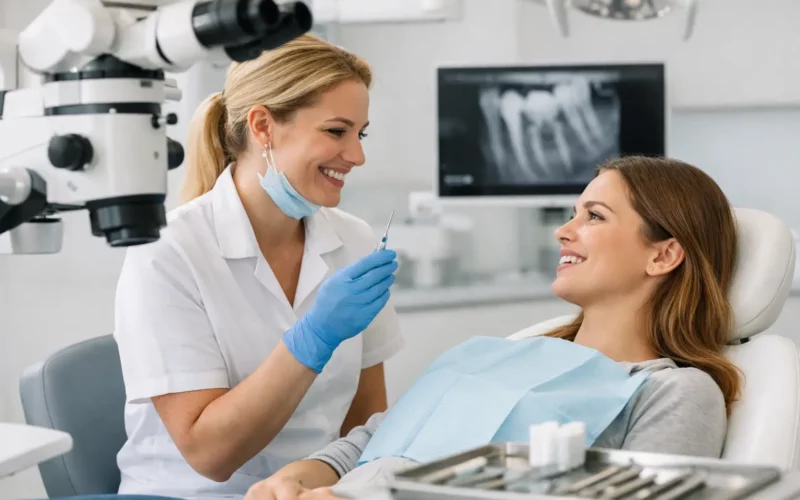
A check-up doesn't just check for cavities. It evaluates the condition of the gums, the integrity of dental work, the bite, tooth wear, and early signs that can change the appearance of your smile. This is precisely where the advantage of a modern clinic comes in: the diagnosis is more precise, and treatment can be planned in advance, without compromises.
Scaling and airflow maintain your true aesthetic
Many patients associate scaling only with hygiene, but it has a direct impact on the appearance of your smile as well. Tartar and surface stains alter the shade of your teeth and can create the impression of yellowing even when the enamel is healthy. Furthermore, inflamed gums change the contour of your smile, making it appear less uniform.
Professional scaling and airflow cleaning help remove deposits that at-home brushing cannot fully eliminate. The procedure is generally quick, and the benefits are visible immediately. The frequency depends on how quickly tartar builds up, your diet, smoking habits, and your dental history.
It is important to know that these procedures do not whiten teeth in the sense of a professional whitening treatment, but they do restore a clean and bright appearance. For many patients, the difference is significant enough to make their smile look well-maintained without further intervention.
Diet and habits that change your smile
What you consume daily directly influences the color, strength, and health of your teeth. Coffee, black tea, red wine, and certain carbonated drinks can stain enamel over time. This does not mean they must be eliminated entirely, but it is helpful to consume them in moderation and maintain proper hygiene afterward.
More importantly, consider the effect of acidic foods and drinks on your enamel. When enamel erodes, teeth can become more sensitive, translucent at the edges, and more prone to staining. The appearance of your smile changes gradually, and sometimes patients notice these changes too late.
Habits matter, too. Smoking affects tooth color, gum health, and the long-term success of many dental treatments. Bruxism, or teeth grinding, can wear down enamel, crack veneers or crowns, and alter the shape of your teeth. In such cases, simple hygiene is not enough; protection and monitoring are required.
How to maintain veneers, crowns, and dental implants
Patients who have invested in aesthetic or restorative treatments should know that dental work is not completely maintenance-free. Dental veneers, crowns, and implants offer excellent results, but their longevity depends heavily on proper care.
Veneers require careful hygiene and the avoidance of aggressive habits, such as opening packages with your teeth or biting on hard objects. Crowns should be checked periodically, as a well-made restoration may eventually need adjustments or re-evaluation. Dental implants cannot get cavities, but the tissues around them can become inflamed if hygiene is neglected. A common misconception is that implants require less maintenance, when in fact they require specific, correct maintenance.
For these treatments, the longevity of the results varies from patient to patient. Premium materials and modern technology increase predictability, but the final outcome also depends on regular check-ups, daily hygiene, and following medical recommendations.
When your smile needs corrections
Sometimes, a smile cannot be kept perfect through prevention alone. There are situations where color changes, small chips, crowding, or gum recession occur, altering the overall appearance. This does not mean the previous treatment was flawed, but rather that teeth change over time, and maintenance may include adjustments.
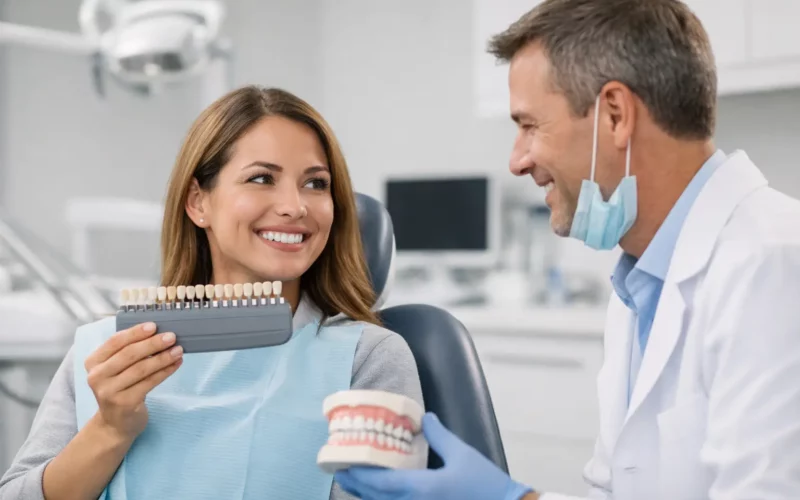
For some patients, a professional cleaning and a teeth whitening done right. For others, the solution might be replacing an old crown, redoing veneers, or orthodontic treatment. There are also cases where functional issues must be addressed before the aesthetic part. If the bite is not balanced, a beautiful result may be unstable.
That is precisely why the right plan is not determined by photos from the internet, but by a real clinical evaluation. In a clinic like Art Dental Studio, a comprehensive approach is a clear advantage for patients who want both aesthetics and durability.
Costs, time, and realistic expectations
The question of cost arises naturally when we talk about maintaining your smile. In practice, prevention almost always costs less than treatment done too late. A regular check-up, a professional cleaning, or a minor corrective procedure are easier to manage than complex treatments resulting from neglect.
Time matters, too. A good daily routine takes just a few minutes in the morning and evening, but it can save you many hours spent in the dental chair later on. Similarly, a routine visit is much simpler than a dental emergency or extensive rehabilitation.
Expectations must be realistic. A perfect smile does not mean it stays frozen in time, but rather that it is well-maintained and balanced. Teeth and dental work are subject to wear and tear, diet, and daily habits. With proper care, results can be maintained very well for years, but they require consistency.
If you want a smile that looks great for years to come, don't wait for visible problems to appear. Schedule a consultation, find out what your smile needs now, and give it the attention that shows in every conversation, photo, and moment you choose to smile without hesitation.