First dentist visit for kids: a guide for parents

A child immediately senses a parent's anxiety. If you enter the office feeling worried, they will pick up on that state before they even see the chair or the dentist. That is why, when it comes to a child's first dental visit, preparation starts at home—in the tone of your voice, the words you choose, and how you turn the experience into a natural step rather than a threat.
Many parents only bring their little one to the dentist when pain, a decayed tooth, or a sleepless night occurs. The problem is that the first meeting then takes place in a tense context, and the child associates the office with discomfort. A timely visit completely changes this beginning. The dentist can evaluate tooth development, observe habits that influence the bite and gradually build a relationship of trust with the child.
When to schedule a child's first dental visit
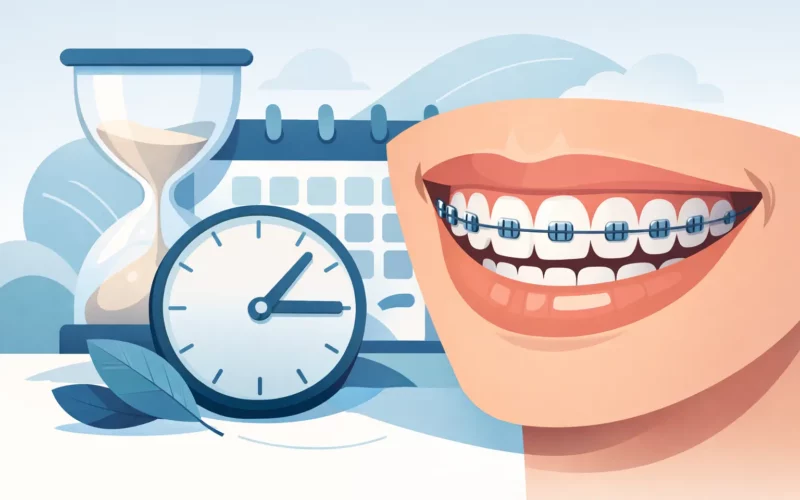
The general recommendation is for the first dental check-up to take place after the first teeth appear, or by the age of 1 at the latest. For some parents, this seems too early. In reality, it is a useful stage because the dentist is not just looking for cavities, but also checking how the teeth are erupting, the health of the gums, and habits that could cause problems later on.
If your little one is already past this age, it doesn't mean you've missed the right moment. The important thing is not to wait until pain occurs. The first visit should be an introductory one, at a time when the child is calm, rested, and receptive.
There are also situations where a check-up should be done sooner. White or brown spots on the teeth, sensitivity to cold or sweets, trauma from a fall, constant mouth breathing, or thumb-sucking past the age when it should have stopped are serious reasons to book an appointment.
Why this first experience matters so much
The first meeting with the dentist can influence a child's relationship with dental care for many years. When the experience is calm and well-managed, regular check-ups become easier. When the first contact happens against a backdrop of pain and fear, every subsequent visit can be more difficult.
There is also a practical aspect here. Baby teeth are not "temporary" in the sense that they can be ignored. They help with chewing, speech, maintaining space for permanent teeth, and the harmonious development of the dental arches. If untreated cavities occur, the effects don't stop at one affected tooth. Pain, infections, difficulty eating, and even dental alignment problems over time can occur.
How to prepare your child before the appointment
The way you present the visit makes all the difference. The child doesn't need scary details or unrealistic promises. It is better to speak simply and calmly. You can tell them that the dentist will look at their teeth, count them, and check if they are healthy. That's all.
Avoid phrases like "it won't hurt," "they won't do anything to you," or "if you're not good, I'll take you to the dentist." Even if the intention is good, such phrases suggest that there is a danger. It is equally unhelpful to share your own negative experiences. For the child, the office should remain a neutral or even friendly place.
The time of day also matters. Schedule the visit when your child is well-rested and fed, not during nap time or at the end of a busy day. Bring a favorite toy along, especially if they are very young. Sometimes, simple things reduce anxiety better than any explanation.
What to expect during your child's first dental visit
In most cases, the first check-up is short and gentle. The goal isn't complex treatment, but rather getting comfortable. The dentist will talk to you, observe your child's behavior, and examine their mouth at a pace suited to their age.
For very young children, the exam can even be done while they are in your lap, in a position that makes them feel secure. For older children, the dentist might invite them to climb into the chair on their own, look at the light, the dental mirror, or the suction tool, while briefly explaining what will happen. This approach reduces the fear of the unknown.
During the check-up, the dentist will look at tooth eruption, signs of decay, gum health, oral hygiene, and any habits that might affect dental development. If needed, you will receive advice on brushing, nutrition, the use of fluoride toothpaste, and how often to schedule follow-up visits.
Not every first visit ends the same way. Some children are curious and cooperative, while others need more time. That is perfectly normal. Sometimes, the best consultation is one where the child simply agrees to enter the office, meet the dentist, and leave with a positive impression. Progress is built gradually.
Questions worth asking your dentist
The first meeting is also the perfect opportunity to get clear answers without having to search for conflicting information from multiple sources. Ask how you should brush your child's teeth at their age, what type of toothbrush and toothpaste are appropriate, how often you should come in for check-ups, and if there are any signs that require monitoring.
If your little one sucks their thumb, uses a pacifier for long periods, breathes through their mouth, or grinds their teeth, let the dentist know. Not all habits automatically lead to problems, but some can influence tooth alignment and jaw development. The sooner they are noticed, the simpler the intervention can be.
How to react if your child cries or refuses
Crying during the first visit doesn't mean the experience was a failure. It just means your little one is in a new environment. For a young child, the white coat, the lights, the smells, and the unfamiliar voices are enough to trigger resistance.
Your role as a parent is to stay calm. Don't scold your child or negotiate excessively in front of the dentist. A firm, gentle, and consistent attitude works best. In many situations, after the first few minutes of getting settled, the child accepts the exam much more easily than you expected.
There are also cases where the visit needs to be cut short and rescheduled. This isn't a loss. It's a good strategy when the main goal is building trust. In pediatric dentistry, the pace matters just as much as the procedure itself.
Common mistakes worth avoiding
One of the most common mistakes is delaying the check-up until an emergency arises. Another is using the dentist as a tool for discipline. Both make the visit harder than it needs to be.
Comparing your child to others is equally problematic. If you say, "Look, they are sitting still, why can't you?", you aren't helping them cooperate. You are making them feel insecure. Every child has their own pace, and a good dentist knows how to adapt the consultation to that pace.
Rewards should also be carefully considered. Sincere praise is helpful. A big promise made in haste can turn everything into a negotiation. It is better to focus on their courage and the fact that they did something good for their health.
What happens after the first check-up
After the first visit, the plan is usually simple: regular check-ups, monitoring dental development, and establishing a proper hygiene routine. The frequency of visits depends on the child's age, caries risk, and what the dentist observes during the initial exam. For some children, 6-month check-ups are sufficient. For others, monitoring may need to be more frequent.
If issues such as early-stage cavities or habits affecting the bite arise, the dentist will explain the options, duration, and next steps. The advantage of coming in early is that many situations can be managed more easily than when they are discovered late.
In a modern, patient-centered clinic, the focus is not just on treatment, but also on the experience. For parents in Satu Mare looking for pediatric dentistry in a professional environment, the first meeting should bring clarity, not stress. At Art Dental Studio, the right approach begins with patience, communication, and careful evaluation, so that the child builds confidence from the very first contact.
The first visit doesn't have to be perfect to be a success. It is enough for it to be done on time, calmly, and with the support of a team that understands how to build trust step by step. If you want your little one to grow up without a fear of the dentist, schedule the check-up before a problem arises.